Where to Start: How to Design a New Home Before You Move In
- Apr 3
- 4 min read
A practical guide for new homeowners who want their space to feel right from day one — without making decisions they'll later regret.

You've got the keys. You're standing in your new home — excited, slightly overwhelmed, and perhaps staring at a wall wondering what color it should be. If that sounds familiar, you're in very good company.
One of the most common questions I hear from new homeowners is some version of: where do we even begin? And it's a completely reasonable thing to wonder. A new home presents a thousand decisions at once, and the pressure to get it right — especially before you move in — can make the whole process feel more stressful than it should be.
But here's what I've learned working with families who are moving into a new home: the most thoughtful approach isn't always the fastest one. And the smartest thing you can do before making sweeping changes is to pause, breathe, and think strategically about what actually needs to happen before you move in — and what can wait.
Start with what you know, not what you don't
Most new homeowners feel pressure to figure everything out at once. But the truth is, you don't need a complete vision for every room on day one. What you do need is clarity on the things that are genuinely harder to do once you're living there.
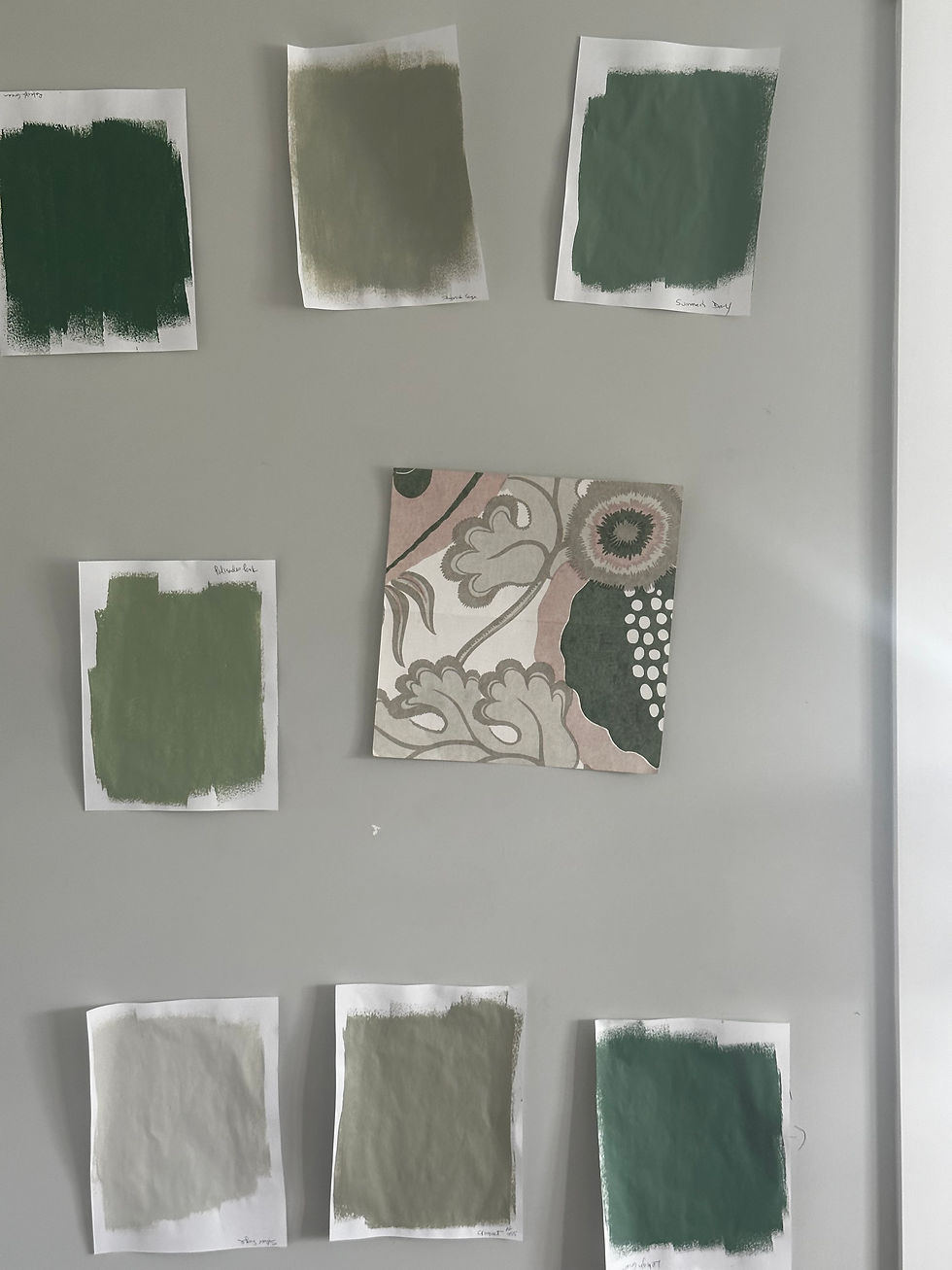
Think about it practically. Refinishing floors is disruptive, dusty, and much easier to do in an empty house. A gut bathroom renovation is messy and takes up space — far better handled before the towels are on the rail. Fresh paint throughout? Now is absolutely the time. Wallpaper in a hallway or a room you already know will stay as-is? Do it now, while the house is empty and the rooms are easy to work in.
These are the decisions worth making before moving in. Not because they're the most exciting ones, but because they're the ones that will genuinely be harder — and more expensive — to revisit later.
Give yourself permission to live in it first
For bigger decisions — a kitchen renovation, a major layout change, an addition — there is real wisdom in waiting. Living in a home teaches you things about it that no floor plan ever could. You'll discover how the light moves through the rooms in the morning. You'll notice which spaces your family gravitates toward, and which ones sit empty. You'll feel where the flow works and where it doesn't.
Some of the best design decisions I've seen clients make came directly from that lived experience. The kitchen renovation that got put on hold for a year turned out to need a completely different approach than originally planned — because actually using the kitchen revealed what was truly lacking. That kind of clarity is worth waiting for.

A simple framework to get you started
When I work with new homeowners at the beginning of a project, I encourage them to sort their ideas into three buckets:
Do now — things that are disruptive or messy and best done in an empty house (floors, bathrooms, paint, wallpaper in known spaces)
Do soon — things that will genuinely bother you but can wait a few months until you're settled (furniture, lighting, window treatments)
Do later — bigger decisions that will benefit from you actually living in the space first (kitchen, extensions, major layout changes)
This framework does two things: it removes the pressure to decide everything at once, and it helps you focus your energy and budget where it matters most right now.
The goal is a home that feels like you — from the start

Even if you're only tackling a handful of things before moving in, those things matter enormously. Fresh floors and thoughtfully painted walls can transform how a space feels. A beautifully wallpapered entryway sets a tone the moment you walk through the door. These are the details that make a house feel personal — and they make a bigger difference than most people expect.
You don't need to do everything. You just need to do the right things, in the right order, with a clear sense of what you're working toward. That's where having a design plan — even a simple one — can make all the difference.
If you're at the beginning of this process and not quite sure where to start, that's exactly what we're here for. Have a look around The Journal for more ideas, or explore how we work with new homeowners over on our services page.
Comments